
glucose revolution pdf
The Glucose Revolution: A Comprehensive Guide
Embark on a transformative journey towards optimal well-being, discovering innovative strategies for sustained energy and a healthier, more vibrant life through glucose management.
What is the Glucose Revolution?
The Glucose Revolution represents a paradigm shift in how we approach diet and health, moving beyond traditional calorie counting to focus on the body’s metabolic response to carbohydrates; It’s not about eliminating carbs, but understanding how they impact our glucose levels – the primary source of energy for our cells.
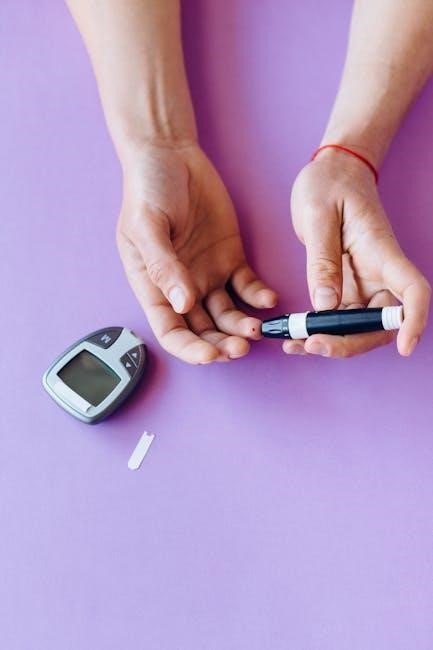
This revolution is fueled by advancements in continuous glucose monitoring (CGM) technology, allowing individuals to see, in real-time, how different foods and lifestyle choices affect their blood sugar; Previously, understanding glucose responses relied on infrequent blood tests, offering limited insight.
Now, we can personalize nutrition and optimize well-being by minimizing drastic glucose spikes and crashes. The core principle centers around achieving metabolic flexibility – the body’s ability to efficiently switch between burning glucose and fat for fuel. This approach promises sustained energy, improved mental clarity, and a reduced risk of chronic diseases.

Understanding Glucose & Its Impact
Glucose is fundamental to life, fueling every cell; however, maintaining balanced levels is crucial for optimal health, energy, and overall bodily function.
The Role of Glucose in the Body
Glucose, a simple sugar, serves as the primary energy source for the human body. Derived from the carbohydrates we consume, it’s transported through the bloodstream to cells, providing the fuel needed for essential functions – from muscle contraction and nerve impulse transmission to powering brain activity and supporting organ systems.

When we eat, carbohydrates are broken down into glucose, prompting the pancreas to release insulin. Insulin acts as a key, unlocking cells to allow glucose to enter and be used for immediate energy or stored as glycogen in the liver and muscles for later use. This intricate process ensures a constant supply of energy.
However, the body’s ability to effectively manage glucose is vital. Disruptions in this system can lead to various health concerns, highlighting the importance of understanding glucose’s role and maintaining stable levels for optimal well-being.
Why Stable Glucose Levels Matter
Maintaining consistently balanced glucose levels is paramount for overall health and vitality. Wild fluctuations – spikes and crashes – place undue stress on the body, impacting energy levels, mood, and cognitive function. Stable glucose provides a sustained and reliable energy source, allowing for optimal physical and mental performance throughout the day.
Chronically elevated glucose levels, often resulting from frequent spikes, can lead to insulin resistance, a precursor to type 2 diabetes. Conversely, rapid drops in glucose can trigger feelings of anxiety, irritability, and difficulty concentrating.
Prioritizing glucose stability isn’t just about preventing disease; it’s about feeling your best. It supports hormonal balance, reduces cravings, and promotes a sense of calm and focused energy, ultimately enhancing quality of life.
The Problems with Glucose Spikes & Crashes
Frequent and significant glucose spikes followed by rapid crashes create a rollercoaster effect within the body, disrupting hormonal balance and metabolic processes. These fluctuations trigger the release of large amounts of insulin, potentially leading to insulin resistance over time – a key factor in type 2 diabetes and other chronic illnesses.
The immediate aftermath of a spike often includes a temporary energy boost, quickly followed by fatigue, brain fog, and increased hunger. This cycle fuels cravings for sugary and processed foods, perpetuating the problem.
Beyond energy and mood, glucose volatility impacts inflammation, sleep quality, and even cognitive function. Consistent spikes and crashes contribute to oxidative stress, accelerating aging and increasing the risk of long-term health complications.

The Food-Glucose Connection
Uncover the intricate relationship between dietary choices and blood sugar responses, learning how different foods profoundly impact your glucose levels and overall metabolic health.
Glycemic Index vs. Glycemic Load
Understanding these two metrics is crucial for navigating the world of carbohydrates and their effect on blood glucose. The Glycemic Index (GI) measures how quickly a food raises blood sugar levels compared to pure glucose, assigning a number from 0 to 100. However, GI doesn’t account for portion size.
This is where Glycemic Load (GL) comes in. GL considers both the GI and the amount of carbohydrate in a typical serving. It provides a more realistic picture of a food’s impact. A GL of 10 or less is considered low, 11-19 is medium, and 20 or more is high.
Focusing solely on GI can be misleading; a watermelon has a high GI, but a relatively low GL due to its high water content. Prioritizing foods with a lower GL helps promote stable glucose levels and sustained energy, offering a more practical approach to dietary management.
Foods That Cause Major Glucose Spikes
Certain foods are notorious for triggering rapid increases in blood glucose, leading to energy crashes and potential long-term health issues. Highly processed carbohydrates, such as white bread, sugary cereals, and pastries, are prime culprits due to their rapid digestion and absorption.
Sugary drinks – sodas, juices, and sweetened teas – deliver a concentrated dose of glucose directly into the bloodstream, causing a significant spike. Similarly, white rice and potatoes (especially mashed) lack the fiber to slow down glucose release.
Excessive fruit juice consumption, even natural varieties, can also contribute. Be mindful of portion sizes and pair these foods with protein, fat, and fiber to mitigate their impact. Limiting these items is key to achieving stable glucose levels.
Foods That Support Stable Glucose
Prioritizing whole, unprocessed foods is fundamental for maintaining stable glucose levels. Non-starchy vegetables – broccoli, spinach, and leafy greens – are excellent choices, providing fiber and nutrients with minimal impact on blood sugar.
Healthy fats, like those found in avocados, nuts, seeds, and olive oil, slow down digestion and glucose absorption. Lean proteins – fish, poultry, beans, and lentils – also contribute to satiety and glucose control.
Complex carbohydrates, such as quinoa, brown rice, and sweet potatoes (in moderation), offer a slower, more sustained release of glucose due to their fiber content. Berries are a fruit option lower in sugar. Combining these food groups creates balanced meals that promote stable energy and overall well-being.

Hacking Your Meals for Glucose Control
Strategically modifying meal composition and timing empowers you to minimize glucose spikes, optimize energy, and unlock sustained vitality with every bite you take.
The Order of Food Matters
Prioritizing the sequence in which you consume food components during a meal can significantly impact your glucose response. It’s not just what you eat, but how you eat it! Begin with fiber – vegetables, salads – to create a slower digestive process. This forms a sort of ‘net’ in your gut, reducing the rapid absorption of glucose.
Following fiber with protein and healthy fats further slows digestion and glucose release. These macronutrients take longer to break down, providing a more sustained energy supply. Finally, consume carbohydrates last. This allows the fiber, protein, and fat to blunt the incoming glucose surge.
Think of it as preparing your body for the carbohydrate load. This simple shift in eating order can dramatically flatten your glucose curve, preventing spikes and crashes, and promoting stable energy levels throughout the day. Experiment and observe the difference!
Adding Fiber to Every Meal
Fiber is your powerful ally in the quest for glucose control. This indigestible plant matter slows down the absorption of sugar into your bloodstream, preventing those unwanted spikes. Aim to include a source of fiber in every meal – breakfast, lunch, and dinner – and even snacks!
Excellent choices include non-starchy vegetables like broccoli, spinach, and kale, as well as fruits with the skin on (apples, berries). Consider adding chia seeds or flaxseeds to your yogurt or smoothie. Fiber-rich whole grains, like quinoa and oats, are also beneficial, but consume them in moderation.
Increasing your fiber intake gradually is key to avoid digestive discomfort. Remember to drink plenty of water, as fiber absorbs water and helps keep things moving smoothly. Prioritizing fiber is a simple yet profoundly effective strategy for stable glucose levels.
The Power of Protein & Fat
Protein and healthy fats are crucial components of glucose-stable meals. Unlike carbohydrates, they have a minimal direct impact on blood sugar levels. Protein promotes satiety, keeping you feeling fuller for longer and reducing cravings. Incorporate lean protein sources like chicken, fish, beans, or tofu into your diet.
Healthy fats, such as those found in avocados, nuts, seeds, and olive oil, further slow down digestion and glucose absorption. They also contribute to sustained energy levels. Don’t fear fat – it’s a vital nutrient when chosen wisely!
Combining protein and fat with carbohydrates creates a balanced meal that minimizes glucose spikes. This synergistic effect is a cornerstone of effective glucose control, promoting overall well-being and consistent energy throughout the day.

Beyond Meals: Lifestyle Factors
Holistic well-being extends beyond dietary choices; movement, stress management, and restorative sleep profoundly influence glucose metabolism and overall health optimization.

Movement & Glucose Metabolism
Physical activity is a cornerstone of effective glucose control, operating through several key mechanisms. Muscle contraction dramatically increases glucose uptake, independent of insulin, providing an immediate pathway for clearing glucose from the bloodstream. This is particularly beneficial after meals, mitigating postprandial spikes.
Regular exercise enhances insulin sensitivity, meaning your body requires less insulin to manage glucose levels effectively over time. Different types of movement offer unique benefits; both aerobic exercise (like walking, running, or swimming) and resistance training (weightlifting, bodyweight exercises) contribute to improved glucose metabolism.
Even short bursts of activity, such as taking the stairs or a brisk walk during a break, can have a positive impact. Incorporating movement throughout the day, rather than confining it to dedicated workout sessions, is a powerful strategy for maintaining stable glucose levels and promoting long-term metabolic health. Consistency is key!
Stress & Its Effect on Blood Sugar
Chronic stress significantly impacts blood glucose levels through the activation of the hypothalamic-pituitary-adrenal (HPA) axis. When stressed, the body releases hormones like cortisol and adrenaline, preparing for a “fight or flight” response. These hormones increase glucose production in the liver and reduce insulin sensitivity, leading to elevated blood sugar.
Prolonged elevation of cortisol can contribute to insulin resistance, making it harder for cells to utilize glucose effectively. This creates a vicious cycle, where consistently high blood sugar further exacerbates stress. Furthermore, stress often leads to unhealthy coping mechanisms, such as emotional eating, often involving sugary or processed foods, which worsen glucose dysregulation.
Managing stress through techniques like mindfulness, meditation, deep breathing exercises, yoga, or spending time in nature is crucial for maintaining stable glucose levels and overall well-being. Prioritizing self-care and developing healthy stress-reduction strategies are essential components of the glucose revolution.
Sleep & Glucose Regulation
Adequate sleep is paramount for maintaining stable blood glucose levels and is a cornerstone of the glucose revolution. During sleep, the body repairs and restores itself, including regulating hormones crucial for glucose metabolism. Sleep deprivation disrupts these processes, leading to increased cortisol levels – similar to stress – and reduced insulin sensitivity.
Even a single night of poor sleep can impair glucose tolerance, meaning the body struggles to process glucose effectively. Chronic sleep loss significantly elevates the risk of insulin resistance and type 2 diabetes. Furthermore, insufficient sleep often triggers cravings for sugary and carbohydrate-rich foods, exacerbating glucose imbalances.
Prioritizing 7-9 hours of quality sleep each night is vital. Establishing a regular sleep schedule, creating a relaxing bedtime routine, and optimizing your sleep environment can dramatically improve glucose control and overall health.

Practical Strategies for Daily Life
Implement simple, actionable steps into your routine, empowering you to effortlessly manage glucose levels and unlock sustained vitality every single day.
Breakfast Ideas for Stable Glucose
Start your day right with breakfasts designed to minimize glucose spikes and maximize sustained energy. Forget sugary cereals and refined pastries! Instead, focus on combinations of protein, healthy fats, and fiber. Consider eggs with avocado and whole-wheat toast – the protein and fat slow down glucose absorption, while the fiber adds bulk and further stabilizes levels.
Greek yogurt with berries and a sprinkle of nuts is another excellent option. The yogurt provides protein, berries offer antioxidants and fiber, and nuts contribute healthy fats. Chia seed pudding made with unsweetened almond milk and topped with a few berries is a fantastic make-ahead choice. For a savory option, try smoked salmon with cream cheese on whole-grain crackers.
Remember to avoid fruit juices and opt for whole fruits instead, paired with a protein source. These breakfasts will set the stage for a day of stable energy and improved focus, helping you thrive!
Snacking Smartly: Avoiding the Spike
Strategic snacking is crucial for maintaining stable glucose levels throughout the day. Resist the urge for quick-fix sugary treats! Instead, choose snacks that combine protein, fiber, and healthy fats to slow down glucose absorption. A handful of almonds or walnuts provides healthy fats and protein, keeping you satisfied and preventing spikes.
Apple slices with peanut butter are a classic combination offering fiber, protein, and healthy fats. Hard-boiled eggs are a protein powerhouse, perfect for a quick and easy snack. Full-fat cottage cheese with a few berries delivers protein and antioxidants. Avoid processed snack bars, crackers, and sugary yogurts.
Plan your snacks in advance to avoid impulsive choices. If you anticipate a long gap between meals, a small, well-balanced snack can prevent energy crashes and cravings. Prioritize whole, unprocessed foods for optimal glucose control and sustained energy!
Navigating Social Situations & Eating Out
Social events and dining out don’t have to derail your glucose control efforts! Plan ahead by checking the menu online if possible, and identifying healthier options. Don’t be afraid to ask for modifications – request sauces on the side, swap fries for a salad, or choose grilled instead of fried.
Prioritize protein and fiber when making your selections. Start your meal with a salad to fill up on fiber and slow down glucose absorption. Be mindful of portion sizes; consider sharing an entrée or taking half home. Hydrate with water throughout the meal.
Communicate your needs to your host or server. A simple explanation of your dietary preferences is often sufficient. Remember, small, mindful choices can make a big difference. Enjoy the social aspect of the occasion without compromising your health goals!

Advanced Glucose Control Techniques
Explore cutting-edge methods to fine-tune your metabolic response, unlocking deeper insights and maximizing the benefits of stable glucose levels for peak performance.
Vinegar & Glucose Control
The surprising power of vinegar, particularly apple cider vinegar, in managing glucose levels is gaining significant attention. Research suggests that consuming a small amount of vinegar before meals can improve insulin sensitivity, allowing your body to utilize glucose more effectively. This effect stems from acetic acid, the main component of vinegar, which appears to slow down the rate at which food empties from the stomach.
Consequently, glucose is released into the bloodstream more gradually, preventing sharp spikes. Studies have demonstrated that vinegar can reduce post-meal glucose and insulin responses, particularly when consumed with carbohydrate-rich foods. However, it’s crucial to dilute vinegar with water to protect your tooth enamel and esophagus.
Always consult your healthcare provider before incorporating vinegar into your routine, especially if you have existing health conditions or are taking medications. While promising, vinegar is a tool to support glucose control, not a replacement for a balanced diet and lifestyle.
Cold Water & Glucose Impact
A surprisingly simple strategy for influencing your glucose response involves the temperature of your drinking water. Emerging research indicates that drinking cold water, particularly before or during meals, can modestly improve glucose metabolism. The theory centers around the body expending energy to warm the water to body temperature.
This thermogenic process requires energy, potentially diverting some glucose away from storage and towards immediate energy use. While the effect is subtle, studies have shown a measurable reduction in post-meal glucose spikes with cold water consumption. It’s a low-effort, easily implementable tactic that complements other glucose control strategies.
Consider incorporating cold water as part of your mealtime routine. However, remember that this is not a standalone solution; it works best in conjunction with a balanced diet, regular exercise, and mindful eating habits. Further research is ongoing to fully understand the extent of this effect.
Supplements & Glucose (Cautionary Note)
While the market offers numerous supplements claiming to regulate blood glucose, a critical and cautious approach is essential. Many lack robust scientific backing, and their efficacy can vary significantly. Some supplements may interact negatively with medications or have unintended side effects.
Commonly touted options like chromium, cinnamon, and berberine show some promise in preliminary studies, but results are often inconsistent. Always consult with a healthcare professional before starting any new supplement regimen, especially if you have pre-existing health conditions or are taking medication.
Focus on foundational strategies – diet, exercise, and sleep – as the primary drivers of glucose control. Supplements should be considered, if at all, as adjuncts to a healthy lifestyle, not replacements for it. Prioritize evidence-based approaches and prioritize your health and safety.

Long-Term Benefits of Glucose Control
Sustained glucose balance unlocks a cascade of positive effects, fostering vitality, resilience, and a significantly reduced risk of chronic diseases for years to come.
Improved Energy Levels
Say goodbye to the energy rollercoaster! Stable glucose levels translate directly into consistent, sustained energy throughout your day. No more afternoon slumps or reliance on caffeine to power through. When your body isn’t constantly battling spikes and crashes, it can efficiently utilize energy stores.
This means improved physical performance, increased mental clarity, and a greater capacity to tackle daily tasks with vigor. Imagine feeling consistently energized, capable of focusing intently, and enjoying activities without the debilitating fatigue often associated with fluctuating blood sugar.
Consistent energy isn’t just about having more energy; it’s about the quality of that energy. It’s a calm, steady power that supports optimal function, allowing you to live a fuller, more productive, and enjoyable life. It’s a foundational benefit of glucose control.
Enhanced Mood & Cognitive Function
Unlock your brain’s full potential! Glucose is the primary fuel for your brain, and stable levels are crucial for optimal cognitive function and emotional well-being. Wild swings in blood sugar can lead to brain fog, difficulty concentrating, and impaired memory.
Conversely, consistent glucose supply supports sharper focus, improved learning, and enhanced cognitive performance. Beyond cognition, glucose fluctuations significantly impact mood regulation. Spikes and crashes can contribute to irritability, anxiety, and even depressive symptoms.
By stabilizing glucose, you create a more balanced neurochemical environment, fostering a calmer, more positive mood. Experience greater emotional resilience, improved mental clarity, and a heightened ability to navigate daily stressors with grace and composure. A steady brain is a happy brain!
Disease Prevention & Overall Health
Prioritize long-term wellness! Maintaining stable glucose levels isn’t just about feeling good today; it’s a cornerstone of preventative healthcare. Chronically elevated blood sugar, and the resulting insulin resistance, are key drivers in the development of serious health conditions like type 2 diabetes, heart disease, and certain cancers.
By proactively managing your glucose response, you significantly reduce your risk of these debilitating illnesses. Furthermore, stable glucose supports a healthy inflammatory response, bolstering your immune system and protecting against chronic inflammation – a root cause of many modern diseases.
Embrace glucose control as a powerful tool for longevity and vitality, paving the way for a healthier, more fulfilling life, free from the burdens of preventable illness. It’s an investment in your future self!